
Who should not take Citrus Bergamot
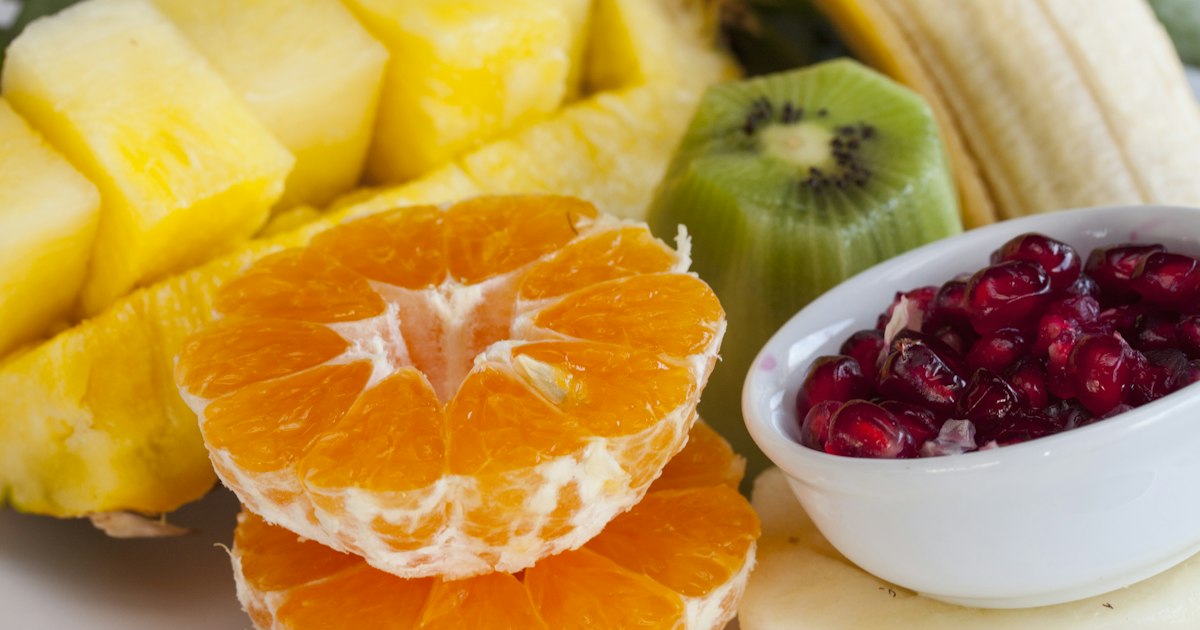
Citrus bergamot is sold over the counter, so it is easy to forget that it too has limitations. The editorial team has organized who should not take concentrated bergamot extracts, which drugs it may interact with, and how the risks of capsules, tea and essential oil differ.
Why a "natural" supplement has contraindications
Citrus bergamot is often perceived as something like tea: the idea being that if it is a fruit, there can be no harm. But standardized extracts contain concentrated flavonoids in amounts that cannot be obtained from ordinary food, and some products may also contain furocoumarins.
There is no official leaflet with a list of contraindications, as there is for a medicinal product, for dietary supplements containing bergamot. Contraindications therefore have to be inferred from three sources: known mechanisms of action, data on related citrus compounds, and limitations associated with the absence of studies in certain groups of people.
The absence of studies is in itself a weighty argument. If the safety of a substance has not been studied, for example, in pregnant women, it does not mean it is safe; it means the risk is unknown.
Below, the editorial team has divided the limitations into absolute (when it is better to refrain from use), relative (when medical supervision is needed) and situational (when the form of the product matters).
Groups for whom bergamot is not recommended
The editorial team includes among the groups for whom taking concentrated bergamot extracts without a doctor is not recommended the following:
- pregnant and breastfeeding women — because of the lack of safety data;
- children and adolescents — there is no data, and dyslipidemia at this age requires specialized examination;
- people with a known allergy to citrus fruits;
- patients with severe liver disease;
- patients with pronounced chronic kidney disease.
In pregnant women, the treatment of dyslipidemia has its particularities in general: statins, for example, are not used during pregnancy. Trying to "replace" them with a supplement makes no sense — any measures must be coordinated with an obstetrician-gynecologist.
As for children: elevated cholesterol in a child is often a sign of familial hypercholesterolemia, a hereditary disease that requires proven therapy. A supplement can only delay the correct diagnosis.
Citrus allergy is uncommon, but it can present with a rash, itching and swelling. People with such a reaction to oranges or lemons should be careful with bergamot.
Drug interactions
The most important practical limitation concerns people who take medications. Citrus furocoumarins, in particular bergamottin, are able to inhibit the enzyme CYP3A4 in the intestine and liver. This mechanism has been described in detail with grapefruit as an example: the blood concentrations of some drugs can rise several-fold.
The furocoumarin content in the polyphenolic fractions of bergamot juice is usually small, but it depends on the manufacturing technology and is not always stated on the label. Caution is therefore needed with drugs for which an interaction with grapefruit is known.
| Drug class | Possible risk | What to do |
|---|---|---|
| Statins (simvastatin, atorvastatin, rosuvastatin) | Enhanced effect, risk of myopathy | Only with a doctor's approval |
| Anticoagulants (warfarin) | A change in INR is theoretically possible | Monitor INR |
| Calcium channel blockers | Excessive drop in blood pressure | Monitor blood pressure, consult a doctor |
| Glucose-lowering drugs | Additive glucose lowering | Monitor blood glucose |
| Immunosuppressants (cyclosporine, tacrolimus) | Rise in concentration | Avoid without a doctor |
Separately on statins: some studies, in particular the work of Gliozzi and colleagues, examined bergamot specifically in combination with rosuvastatin. But these were controlled conditions. Combining them on your own without a doctor may increase the risk of muscular side effects.
As for glucose-lowering drugs: studies have described a moderate reduction in fasting glucose. In combination with insulin or sulfonylurea derivatives, this could theoretically increase the risk of hypoglycemia.
Essential oil and tea: separate risks
The word "bergamot" on a label can refer to very different products. Capsules with a polyphenolic juice fraction, essential oil for aromatherapy and "Earl Grey" tea have different compositions and different risks.
Bergamot essential oil contains bergapten (5-methoxypsoralen) — a photosensitizer. Kaddu and colleagues described bullous phototoxic reactions after using the oil for aromatherapy followed by exposure to the sun or a tanning bed. People with photosensitive skin, photodermatoses, or those taking other photosensitizing drugs should therefore avoid applying unfiltered oil to the skin.
The essential oil must not be taken internally as a "cholesterol supplement": it is not equivalent to a standardized extract and can be toxic.
As for tea: moderate consumption of "Earl Grey" is considered safe. The case of muscle cramps described inThe Lancet concerned a person who drank several liters of such tea every day. This underscores the role of the dose, not the danger of an ordinary cup.
Athletes and people on pharmacology
In the sports audience, bergamot is often bought as "lipid profile protection" while taking anabolic steroids. The editorial team considers it necessary to state clearly: this approach has no evidence base. Lipid disturbances with androgen use, in particular a pronounced drop in HDL, are described in a scientific statement of the Endocrine Society, and supplements do not offset them.
Another problem is combining bergamot with many other supplements and drugs at once. The more substances there are, the higher the risk of unpredictable interactions and the harder it is to establish the cause of a side effect.
For athletes who undergo doping control, the quality of the product matters. Bergamot itself is not on the WADA Prohibited List, but supplements can be contaminated with prohibited substances. The IOC consensus on supplements advises choosing products with independent certification.
Finally, before surgery, any supplements with a potential effect on drug metabolism are usually recommended to be discontinued in advance — this is worth discussing with the surgeon and the anesthesiologist.
Editorial conclusions
Bergamot is not recommended for pregnant women, breastfeeding women, children, people with a citrus allergy, and those with severe liver or kidney disease.
The most practical limitation is taking drugs metabolized by CYP3A4, in particular statins, immunosuppressants and calcium channel blockers.
Essential oil and capsules are different products: the oil is phototoxic and is not intended for internal use.
Our articles on the tests to run while taking bergamot, on its effect on the liver and kidneys, and on the history of this remedy will help you continue the topic.
References
- Mollace V, Sacco I, Janda E, et al. Hypolipemic and hypoglycaemic activity of bergamot polyphenols: from animal models to human studies. Fitoterapia. 2011;82(3):309–316.
- Gliozzi M, Walker R, Muscoli S, et al. Bergamot polyphenolic fraction enhances rosuvastatin-induced effect on LDL-cholesterol, LOX-1 expression and protein kinase B phosphorylation in patients with hyperlipidemia. Int J Cardiol. 2013;170(2):140–145.
- Bailey DG, Dresser G, Arnold JM. Grapefruit–medication interactions: forbidden fruit or avoidable consequences? CMAJ. 2013;185(4):309–316.
- Kaddu S, Kerl H, Wolf P. Accidental bullous phototoxic reactions to bergamot aromatherapy oil. J Am Acad Dermatol. 2001;45(3):458–461.
- Finsterer J. Earl Grey tea intoxication. Lancet. 2002;359(9316):1484.
- Maughan RJ, Burke LM, Dvorak J, et al. IOC consensus statement: dietary supplements and the high-performance athlete. Br J Sports Med. 2018;52(7):439–455.
- World Anti-Doping Agency. World Anti-Doping Code International Standard: Prohibited List. Montreal: WADA; 2024.
- Pope HG Jr, Wood RI, Rogol A, et al. Adverse health consequences of performance-enhancing drugs: an Endocrine Society scientific statement. Endocr Rev. 2014;35(3):341–375.
Andriy Melnyk
A strength-sports coach and author of programs for beginner and intermediate levels. Writes about training planning.