
Myths about Amlodipine
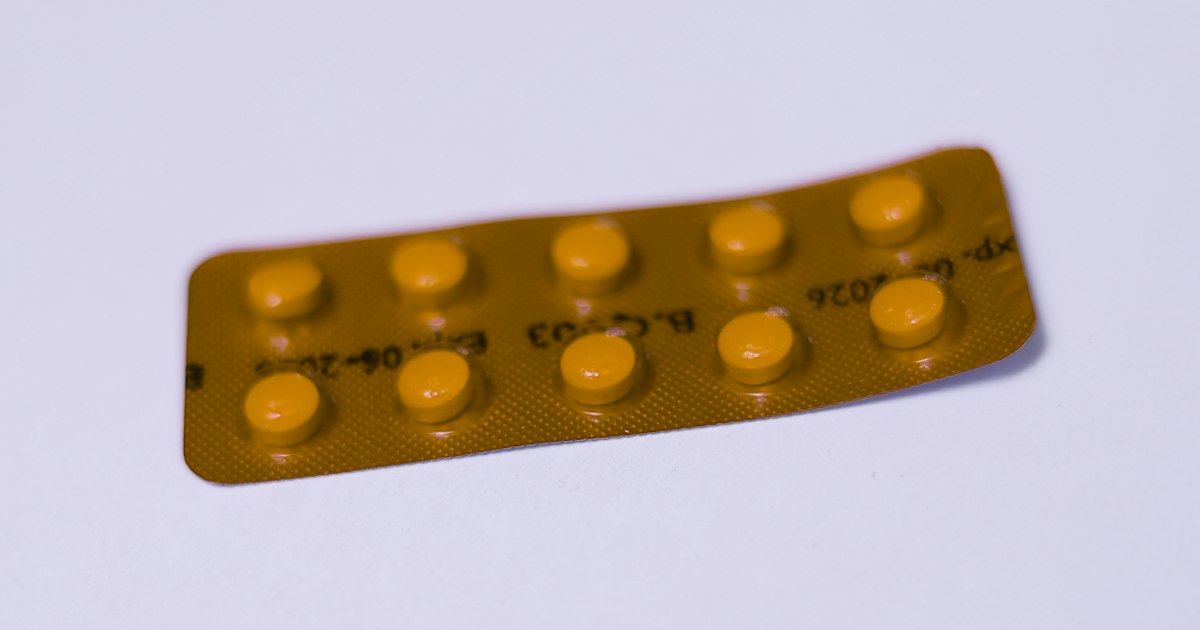
Amlodipine is taken by millions of people, and a good deal of belief has accumulated around it, passed from patient to patient, from forums and gyms. Some of it is an echo of old scientific debates, some are simple misunderstandings about the mechanism of action. The editorial team has checked the most common myths against clinical study data and official prescribing information.
Myth 1: "Amlodipine is dangerous for the heart"
The roots of this myth go back to the 1990s. At that time, observational studies and meta-analyses of short-acting nifedipine raised concerns: the drug lowered blood pressure quickly and sharply, caused reflex activation of the sympathetic nervous system and tachycardia, which could be dangerous for people with coronary heart disease. These warnings began to be transferred to the entire class of calcium channel blockers.
Amlodipine differs fundamentally from short-acting nifedipine in its kinetics. It reaches peak concentration after 6–12 hours, has a half-life of about 30–50 hours, and lowers blood pressure gradually, without sharp "dips". Reflex activation of the sympathetic system is minimal.
Large randomized trials dispelled the concerns. In ALLHAT, amlodipine did not differ from chlorthalidone and lisinopril in the rate of fatal coronary heart disease and non-fatal myocardial infarction. In VALUE, there were even fewer heart attacks on amlodipine than on valsartan. In CAMELOT, amlodipine reduced the rate of cardiovascular events in patients with coronary heart disease compared with placebo.
So the myth of "harm to the heart" concerns other drugs and other dosage forms. At the same time, amlodipine does not improve the prognosis in heart failure with reduced ejection fraction — it is neutral, as the PRAISE study showed.
Myth 2: "Edema is water retention, you need to take a diuretic"
Ankle edema is the most common side effect of amlodipine, and many people perceive it as a sign that the body is "storing water". It seems logical to take a diuretic or a "drainage" supplement.
In reality the mechanism is different. Amlodipine dilates arterioles more strongly than venules. The pressure in the capillaries of the legs rises, and fluid moves into the tissues. There is usually no overall retention of sodium and water. That is why diuretics help such edema poorly and can instead cause dehydration and loss of electrolytes.
The meta-analysis by Makani and colleagues (2011) showed that combining a dihydropyridine with an ACE inhibitor or a sartan reduces the incidence of edema: these drugs also dilate the venous part of the capillary bed. Edema is also dose-dependent, so a doctor can adjust the dose.
It is important to remember that leg edema can have other causes too — cardiac, venous or renal failure. That is why it should be evaluated by a doctor, not by the patient alone.

Myth 3: "It can be taken only when blood pressure is high"
Some patients take antihypertensive drugs "as needed" — they measure their blood pressure, see high numbers, take a tablet. For amlodipine this tactic is especially poor.
Because of the long half-life, a stable concentration of the drug is reached only after about a week of regular use. A single tablet does not lower blood pressure quickly: peak concentration is reached after a few hours, and the effect builds up gradually. Amlodipine is not intended for the urgent lowering of blood pressure.
Hypertension is a chronic condition, and the benefit of therapy demonstrated in studies is associated with constant control of blood pressure over years. Irregular use means fluctuations in blood pressure and the loss of the protective effect against stroke and heart attack.
A positive side of the long duration of action is the "forgiveness" of a missed dose: the effect does not disappear within a few hours. But this is no reason to take the drug sporadically.
Myth 4: "Amlodipine protects the heart during a steroid cycle"
In gyms you can hear that an antihypertensive drug "covers" the heart while using anabolic steroids or other hormonal agents. The logic goes: blood pressure is normal, therefore the cardiovascular system is safe.
This is a dangerous oversimplification. The Endocrine Society review (Pope et al., 2014) describes many mechanisms of cardiovascular harm from supraphysiological doses of androgens: reduced HDL, myocardial hypertrophy and fibrosis, reduced contractile function, erythrocytosis, an increased tendency to thrombosis. Amlodipine affects only blood pressure and eliminates none of these processes.
Moreover, normal readings on the blood pressure monitor can create a false sense of safety and delay examination — ECG, echocardiography, a lipid panel, hematocrit. Taking a prescription drug on your own without diagnosis risks missing secondary causes of elevated blood pressure.
If blood pressure has risen while using any substances, the right action is to see a doctor and eliminate the cause, not merely to lower the numbers.
Other common myths
Besides the main myths, there are a few more beliefs worth addressing briefly. Let us summarize them in a table.
| Myth | What is actually known |
|---|---|
| "You get used to amlodipine, and it stops working" | No tolerance to the antihypertensive effect has been described; a rise in blood pressure over the years is usually associated with the progression of the disease |
| "If you quit, there will be a sharp spike in blood pressure, like after beta blockers" | Amlodipine does not cause a withdrawal syndrome like that of beta blockers, but blood pressure gradually returns to baseline |
| "It destroys the kidneys and liver" | There is no specific nephro- or hepatotoxicity; rare hepatic reactions are described in the prescribing information |
| "Amlodipine is banned in sport" | It is not on the WADA Prohibited List; only the diuretics in some combination tablets are prohibited |
| "Grapefruit with amlodipine is deadly" | The effect of grapefruit on amlodipine is moderate, much smaller than on felodipine |
A general principle that helps to tell a myth from a fact: whether the claim rests on a specific study or official prescribing information, and whether it concerns amlodipine specifically rather than the whole class of drugs.
- Check which dosage form is being referred to.
- Distinguish the effect of the drug from the manifestations of the disease itself.
- Do not change your treatment based on advice from forums.
If the topic interests you, we recommend our articles on the clinical trials of amlodipine, on its side effects and contraindications, and on the mechanism of action of bisoprolol.
Editorial conclusions
Most myths about amlodipine arise from transferring the properties of other drugs onto it, or from a misunderstanding of its mechanism and pharmacokinetics.
Large studies have not confirmed the concerns about harm to the heart, and edema from amlodipine is of capillary origin and is not treated with diuretics.
The most dangerous myth is that of "heart protection" while on hormonal drugs: normal blood pressure does not mean the absence of damage to the cardiovascular system.
References
- ALLHAT Officers and Coordinators for the ALLHAT Collaborative Research Group. Major outcomes in high-risk hypertensive patients randomized to angiotensin-converting enzyme inhibitor or calcium channel blocker vs diuretic. JAMA. 2002;288(23):2981–2997.
- Julius S, Kjeldsen SE, Weber M, et al. Outcomes in hypertensive patients at high cardiovascular risk treated with regimens based on valsartan or amlodipine: the VALUE randomised trial. Lancet. 2004;363(9426):2022–2031.
- Nissen SE, Tuzcu EM, Libby P, et al. Effect of antihypertensive agents on cardiovascular events in patients with coronary disease and normal blood pressure: the CAMELOT study. JAMA. 2004;292(18):2217–2225.
- Makani H, Bangalore S, Romero J, et al. Effect of renin-angiotensin system blockade on calcium channel blocker-associated peripheral edema. Am J Med. 2011;124(2):128–135.
- Pope HG Jr, Wood RI, Rogol A, et al. Adverse health consequences of performance-enhancing drugs: an Endocrine Society scientific statement. Endocr Rev. 2014;35(3):341–375.
- Norvasc (amlodipine besylate) tablets. Prescribing information. U.S. Food and Drug Administration.
- World Anti-Doping Agency. The Prohibited List. Montreal: WADA; current edition.
Andriy Melnyk
A strength-sports coach and author of programs for beginner and intermediate levels. Writes about training planning.