
Cabergoline and the liver
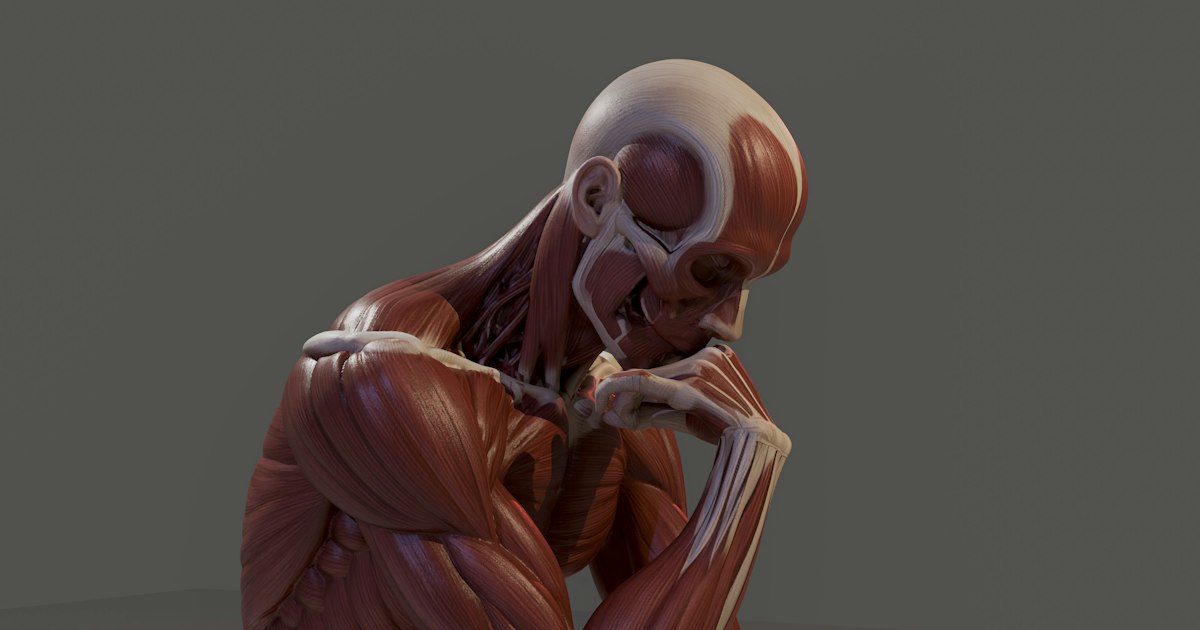
The liver is the main organ that processes cabergoline, so the question of its effect on the liver is entirely logical. The editorial team has examined how the drug is metabolized, what is known about hepatotoxicity, why liver failure matters more than "toxicity", and how doctors monitor safety.
The path of cabergoline through the liver
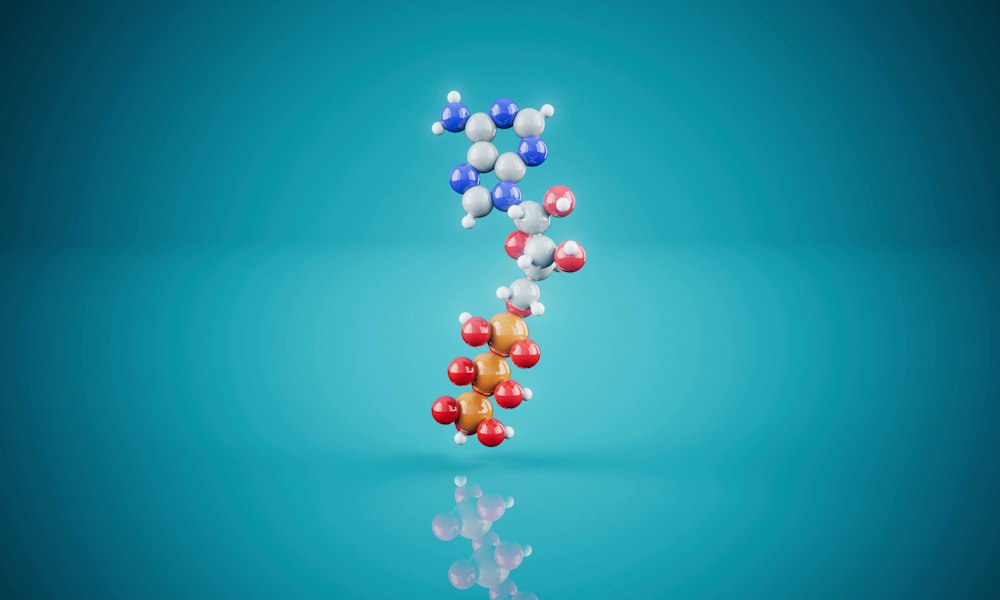
After oral administration, cabergoline is absorbed from the digestive tract and reaches the liver via the bloodstream. It is here that the main part of its biotransformation takes place. The official prescribing information describes that the drug is extensively metabolized in the liver, mainly by hydrolysis of the acylurea moiety of the molecule rather than through the cytochrome P450 system.
This detail is of practical significance. Many drugs that pass through the CYP enzymes enter into numerous interactions: some medicines speed up their breakdown, others slow it down. For cabergoline, according to the manufacturer, the role of these enzymes is minor, so its range of metabolic interactions is narrower than one might expect.
The metabolites formed have a much weaker effect on dopamine receptors than the parent molecule and do not determine the clinical effect. The drug is excreted mainly in the feces (via bile), with a smaller portion in the urine. The half-life is long — about 63–69 hours according to the prescribing information, which is what allows it to be taken infrequently.
The long half-life has a downside: if liver function is reduced, the drug accumulates in the body even longer, and any adverse effects also last longer after discontinuation. That is why, for cabergoline, the question of "does it harm the liver" is closely linked to the question of "how does a diseased liver alter its action".
Is cabergoline hepatotoxic
In people interested in sports pharmacology, the habit of "protecting the liver" is often shaped by experience with oral 17-alpha-alkylated steroids, for which hepatotoxicity is well documented. Cabergoline belongs to an entirely different class of substances, and transferring these ideas to it is incorrect.
The LiverTox database of the US National Institutes of Health, which organizes information on drug-induced liver injury, characterizes cabergoline as a drug for which clinically apparent liver injury is not typical. Moderate changes in liver enzymes were rarely observed in clinical studies.
The prescribing information also does not include hepatotoxicity among the main risks. Among serious side effects, fibrotic reactions (heart valves, pleura, retroperitoneal space), orthostatic hypotension and impulse control disorders come to the fore, rather than liver injury.
This does not mean the risk is zero. Any drug can, in rare cases, cause an idiosyncratic reaction, and against a background of alcohol use, other hepatotoxic drugs or liver disease the picture can become more complicated. But the available data give no grounds to consider cabergoline a drug that is "hard on the liver".
| Aspect | Cabergoline | For comparison: oral 17α-alkylated steroids |
|---|---|---|
| Main metabolic route | Hydrolysis in the liver, minimal role of CYP | Hepatic metabolism, resistance to "first pass" |
| Typical hepatotoxicity | Not characteristic | Cholestasis, elevated enzymes, reported liver tumors |
| Main risks of the drug | Valve fibrosis, hypotension, impulsivity | Liver, lipids, cardiovascular system, endocrine system |
Liver failure: the main practical risk
For cabergoline, what matters much more is the state of the patient's liver. The prescribing information indicates that in people with severe hepatic impairment (Child-Pugh class C), exposure to the drug rises substantially, whereas in mild and moderate impairment no significant changes were found.
An increased concentration of the dopamine agonist enhances its expected effects: nausea, dizziness, a drop in blood pressure. In patients with cirrhosis, who often already have a tendency to hypotension and take diuretics, this can be especially dangerous — for example, because of the risk of falls.
That is why in patients with severe liver damage the doctor uses cabergoline with caution, may choose lower doses and monitors tolerability more closely. Decisions are made individually, weighing the benefit of normalizing prolactin against the risks.
Interestingly, liver disease itself can affect prolactin levels: in cirrhosis, hormonal disturbances are often observed, in particular moderate hyperprolactinemia and changes in sex hormone metabolism. That is why in such patients elevated prolactin is first assessed in the context of the underlying disease.
Interactions that involve the liver
Although the cytochrome P450 system plays a minor role in the metabolism of cabergoline, some interactions have nevertheless been described. In particular, there is data that macrolide antibiotics, for example clarithromycin, can increase the blood concentration of cabergoline. The prescribing information recommends avoiding concurrent use with macrolides.
More important in practice are pharmacodynamic interactions. Dopamine antagonists — antipsychotics, metoclopramide — weaken the effect of cabergoline because they compete for the same receptors. Drugs that lower blood pressure can enhance orthostatic hypotension. These interactions are not related to the liver, but they are often confused with a "burden on the liver".
- Avoid without a doctor's approval:macrolide antibiotics, other ergoline derivatives.
- Weaken the effect:antipsychotics, metoclopramide and other D2 antagonists.
- Enhance hypotension:antihypertensive agents, alcohol.
It is worth mentioning separately the so-called "hepatoprotectors", which are often bought "to support the liver" alongside any drugs. For cabergoline there is no evidence that such agents are needed or beneficial, and some herbal supplements can themselves be a cause of drug-induced liver injury.
The most reliable strategy is to inform the doctor of the full list of drugs and supplements you take, and not to add new ones without consultation.
Which tests to monitor
Before starting treatment with cabergoline, the doctor usually assesses a general biochemistry profile, which includes liver tests: ALT, AST, bilirubin, alkaline phosphatase, gamma-glutamyl transpeptidase. The goal is not so much to look for future toxicity as to detect baseline impairment of liver function that could alter the pharmacokinetics of the drug.
During long-term therapy, the prescribing information does not require routine frequent monitoring of liver enzymes. At the same time, blood biochemistry is usually repeated as part of scheduled check-ups, especially in people with liver disease, with alcohol use, or when taking other potentially hepatotoxic drugs.
Symptoms that may indicate liver injury should raise concern: yellowing of the skin or sclera, dark urine, pale stools, itching, pain in the right upper abdomen, marked weakness without an obvious cause. If they appear, one should see a doctor immediately.
For cabergoline, other examinations remain the priority: the prolactin level, echocardiography to assess the heart valves, blood pressure monitoring and, when indicated, examination of the lungs and kidneys to rule out fibrotic changes.
Editorial conclusions
Cabergoline is metabolized mainly in the liver but, according to the available data, is not among the drugs with pronounced hepatotoxicity. Liver injury is not one of its characteristic risks.
What is practically significant is the reverse: severe liver failure increases the concentration of the drug and enhances its side effects, so such patients require particular caution.
Basic biochemistry before starting therapy, attention to interactions and warning symptoms — this is a sufficient approach for most patients, while the main monitoring efforts are directed at the heart, blood pressure and the mind.
Read about other aspects of the drug in our articles "Tests during the use of Cabergoline", "Cabergoline and mood" and "The history of Cabergoline's creation".
References
- Pfizer. Dostinex (cabergoline tablets): prescribing information. U.S. Food and Drug Administration.
- LiverTox: Clinical and Research Information on Drug-Induced Liver Injury. Bethesda (MD): National Institute of Diabetes and Digestive and Kidney Diseases; 2012–. Cabergoline.
- Melmed S, Casanueva FF, Hoffman AR, et al. Diagnosis and treatment of hyperprolactinemia: an Endocrine Society clinical practice guideline. J Clin Endocrinol Metab. 2011;96(2):273–288.
- Schade R, Andersohn F, Suissa S, et al. Dopamine agonists and the risk of cardiac-valve regurgitation. N Engl J Med. 2007;356(1):29–38.
- Pope HG Jr, Wood RI, Rogol A, et al. Adverse health consequences of performance-enhancing drugs: an Endocrine Society scientific statement. Endocr Rev. 2014;35(3):341–375.
Andriy Melnyk
A strength-sports coach and author of programs for beginner and intermediate levels. Writes about training planning.